
Choosing the Right Storage Boxes for Home Organization
Types of Storage Boxes
In South Africa, clutter drains daily focus, and a recent survey found 63% of households feel spaces affect mood more than decor alone. Storage boxes can become quiet, steady guardians of calm.
Choosing the right storage boxes for home organization means weighing footprint, lid security, and resilience to SA heat. This is part of how to storage boxes that endure, while blending with your interior. Opt for stackable designs with clear lids for quick glimpses of contents.
Types that fit well:
- Rigid plastic boxes with snap lids
- Fabric bins for textiles and soft goods
- Clear polypropylene boxes for visibility
These options cover durability, accessibility, and charm.
In a landscape of colour and texture, the right boxes anchor rooms with quiet elegance. This is how to storage boxes become more than containers—companions for everyday life.
Materials and Durability
63% of households feel spaces affect mood more than decor alone. In South Africa, storage boxes can be quiet guardians of calm, reclaiming floors and shelves from clutter. This is how to storage boxes—practical, resilient, and easy on the eye in any room.
- Materials: UV-stable plastics and archival-grade polypropylene for long life
- Lid design: snap lids or seals that stay shut during heat spikes
- Weight and stackability: low profile for shelves, tall for wardrobes
To choose well, weigh footprint, lid security, and heat resilience.
In a landscape of colour and texture, the right boxes anchor rooms with quiet elegance. They become companions for everyday life.
Sizing and Capacity
In South Africa, clutter can feel like a winter draft in a sunlit room—unwanted, and yet somehow omnipresent. For those wondering how to storage boxes, the guiding principle lies in thoughtful sizing, capacity, and lids that stay true as seasons change.
Size is not merely what fits on a shelf; it’s what breathes within. Start with footprint versus depth; low-profile boxes brighten shelves, taller forms suit wardrobes.
- Footprint and stackability
- Internal capacity and ease of access
- Lid security and seal resilience
Neutral tones anchor rooms with quiet elegance, allowing the boxes to become companions rather than interruptions. In a landscape of colour and texture, these guardians reclaim floors and shelves, offering calm, practical beauty.
Budget and Value
Clutter steals time like a sly thief, trimming minutes from every morning and making sunlit rooms feel crowded. In South Africa, choosing how to storage boxes becomes a quest where budget and value must dance in harmony. For those asking how to storage boxes, the answer lies in balancing durable performance with sensible price—so shelves can breathe again and everyday life stays calm rather than chaotic.
Consider this balance as you weigh options:
- Value over vanity: durable seams and secure lids
- Warranty and local service: SA support when needed
- Materials and recyclability: eco-friendly choices for long-term budgets
- Access and lid integrity: easy retrieval and reliable seals
Neutral tones anchor interiors, turning storage into faithful companions rather than interruptions. When you wonder how to storage boxes, envision them as guardians that reclaim floors and shelves, offering quiet beauty and practical order—ready to serve through seasons of sun and rain.
Storage Box Organization by Room
Living Room and Entryways
Global clutter costs households hours of searching—about 1.5 days a year. In South Africa, well-ordered living spaces shine when function and calm align, turning daily routine into a smoother ritual.
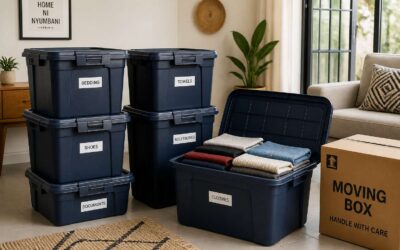
Here’s how to storage boxes in living rooms and entryways, spaces where energy meets furniture. In the living room, a rhythm emerges when items are grouped by use: remote controls, chargers, crafts, and throws nestle in clearly labeled, stackable boxes that sit beneath a coffee table or along a slender shelf. In entryways, a bench with a lid and slim boxes for keys and mail frame a first impression that is inviting rather than chaotic.
- Visible fronts and consistent labeling sharpen recognition
- Color-coding by category reduces search-time
- Proportions that balance volume with available space maintain flow
Space becomes a story rather than a problem when storage boxes anchor daily life with quiet purpose.
Bedroom and Closet
South Africa’s homes lose up to 20 minutes a day to bedroom clutter—about six days a year. Here’s how to storage boxes in a bedroom and closet to tame everyday life: tuck under-bed bins out of sight, stackable boxes on slim shelves, and lid-sealed containers to protect linens.
- Under-bed boxes slide out on rails for quick access
- Clear-front options reveal contents at a glance
- Color-coded labels keep items oriented by season or purpose
In a closet, a tall, narrow organizer aligns with the daily routine, turning drawers into stories rather than chaos. Proportion matters: keep a few robust bins at eye level while tucking shallower ones above for sweaters or accessories.
Garage and Utility Spaces
Garages in South Africa often become labyrinths where 15 minutes of every weekend slip away chasing tools that vanish into the void. That tiny drift of disorder compounds into bigger delays—bike pumps, paint cans, seasonal gear, all muddled into a single, unwieldy heap.
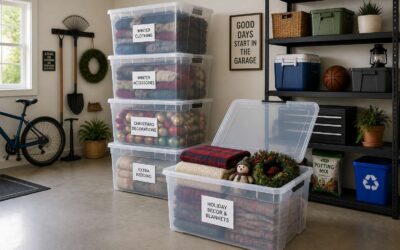
To tackle this, invest in tall, stackable bins with clear fronts and slim wall shelves where daily tools live. If you’re curious how to storage boxes in a garage for efficiency, these choices become a practical spell rather than a chore.
- Clear-front, stackable bins on wall shelves
- Color-coded labels for quick sorting
- Moisture-resistant lids for damp spaces
These choices keep cords, paints, and garden gear visible, durable, and ready for use—transforming a cluttered utility zone into a workflow.
Labeling, Stacking, and Access
Labeling Systems for Clarity
A startling 30% of daily time is spent hunting for misplaced items, and in South Africa’s busy homes that cost mood and momentum. Labeling becomes a compass, turning chaos into coherence. This is how to storage boxes can transform clutter into space, a quiet philosophy that honours memory and effort.
- Colour codes by category that read at a glance
- Durable labels in bold, legible fonts
- Consistent abbreviations kept across every box
Stacking is geometry, not guesswork—stable, accessible, and legible. When shelves favour front-facing labels and uniform dimensions, the eye travels with ease. Access Labeling Systems weave contents into memory, a rhythm of retrieval that reduces rummage and preserves calm in busy zones.
Space in South Africa’s homes is precious; the discipline of labels reshapes how we inhabit our boxes and the life around them.
Stacking and Nesting for Space Saving
A startling 30% of daily time is spent hunting for misplaced items, and in South Africa’s busy homes that costs mood and momentum. Labeling becomes a compass, turning chaos into coherence.
With clear labeling, the route from shelf to item becomes poetic: colour codes at a glance, bold legibility, and consistent abbreviations kept across every box.
Stacking is geometry, not guesswork—stable and legible. Front-facing labels and uniform dimensions let the eye travel with ease; nesting invites space to breathe in busy zones.
A common query—“how to storage boxes”—is really about memory and method. Space in South Africa’s homes is precious; this discipline reshapes how we inhabit our boxes and life.
Clear vs Opaque Lids
In South Africa, 30% of daily time is spent hunting for misplaced items. Labeling turns chaos into coherence. When I label clearly, the route from shelf to item becomes efficient, colourful, and calm.
Stacking is geometry, not guesswork—stable and legible. Front-facing labels and uniform dimensions let the eye travel with ease. I show these cues:
- Colour codes at a glance
- Front-facing labels with uniform dimensions
- Consistent abbreviations kept across every box
Access Clear vs Opaque Lids is a daily decision. Clear lids grant quick visibility; opaque lids guard contents and create a tidy, uniform silhouette. For those wondering how to storage boxes, I find a disciplined approach reshapes homes and routines.
Accessibility and Rotation
In South Africa, 30% of daily time is spent hunting for misplaced items, a siren song to disorder. For those wondering how to storage boxes, a disciplined approach reshapes homes and routines, turning chaos into a cadence.
Labeling becomes the compass. When labels glide to the front, color codes guide the eye; legible, consistent abbreviations knit every box into a coherent map. The result is quicker finds and calmer shelves, a subtle win daily.
Stacking is geometry, not guesswork—stable lines rise as you measure, align, and nest with intention. Front-facing labels and uniform dimensions let the eye travel with ease, while rotation of seasonal items keeps the flow fresh.
Access becomes accessibility when visibility suits use: clear lids deliver quick glimpses; opaque lids shelter contents, preserving a tidy silhouette. Embrace rotation by moving frequently touched boxes to reachable heights—ease that steadies daily rhythms.
Seasonal Storage Strategies
In South Africa, 30% of daily minutes vanish chasing misplaced items—an orchestra of disorder. A disciplined approach to how to storage boxes reshapes homes, turning chaos into cadence.
Labeling becomes the compass. Front-facing labels and legible abbreviations knit a map for quick finds.
- Consistent abbreviations
- Color-code by function
Stacking is geometry, not guesswork—stable lines rise when you measure, align, and nest with intention. Front-facing labels and uniform dimensions ease the eye.
Accessibility hinges on visibility. Clear lids reveal contents at a glance; rotate frequently touched boxes to reachable heights, keeping seasonal shifts calm. This is how to storage boxes become a ritual.
Protecting Contents and Maintaining Boxes
Moisture Control and Humidity
Humidity is the quiet thief of order, gnawing at fabric, paper, and cardboard alike. In the realm of storage, protecting contents begins with an awareness of moisture and microclimates, a consideration sharpened by South Africa’s coastal humidity and inland dryness. The right box becomes a tiny climate fortress—quiet, resilient, and honest about what it holds.
Moisture control and humidity are the unseen editors of longevity: the box’s lid, its porosity, and the space surrounding it all narrate a tale of breath and restraint. When the environment speaks softly, contents endure; when it speaks too loudly, decay follows. This is the essence of how to storage boxes.
Pest Prevention
Protecting contents begins with a clean slate and patient vigilance. In South Africa’s climate, pests and humidity can be as relentless as a coastal wind, so the box must be a fortress against intruders. What many readers want is how to storage boxes—a quiet ritual that keeps memories safe and accessible.
Maintaining boxes means guarding seams, staying dry, and inviting a safe interior. Consider these essentials:
- Gaps and wear at seams as a quarterly observation
- Boxes positioned off the floor on sturdy shelving for airflow and protection
- Cedar blocks or silica gel as insect deterrents
With regular care, the contents stay legible and the boxes retain their shape, ready to travel with your stories into the next season of storage.
Cleaning and Maintenance
South Africa’s climate can feel like a stubborn gust—humid coastal air or dry inland heat. Mastering how to storage boxes begins with a fortress mindset: protect the contents from moisture, pests, and time. A well-kept box is more than a container; it is a keeper of memory, quiet and steadfast, ready to travel with you into the next season.
- Gaps and wear at seams as a quarterly observation
- Boxes positioned off the floor on sturdy shelving for airflow and protection
- Cedar blocks or silica gel as insect deterrents
Inside, maintain a dry, clean interior so the writing and photographs stay legible and the box keeps its shape. With regular care, these quiet vessels hold the stories of today, waiting for the next chapter of storage.
Long-Term Storage Tips
Memories deserve a fortress. In South Africa, coastal humidity and inland heat demand a fortress mindset. For those asking how to storage boxes, the approach starts with the details that protect the contents year after year:
- Quarterly checks for gaps and seam wear to catch damage early
- Boxes positioned off the floor on sturdy shelving to improve airflow
- Cedar blocks or silica gel in each box as insect deterrents
Inside, maintain a dry, clean interior so writing and photographs stay legible and the box keeps its shape. These quiet vessels reward regular care, ready to travel with the seasons!
Sourcing, Sustainability, and Buying Guide
Where to Buy Quality Boxes
Sourcing starts with reputation and clear terms. In South Africa, you want suppliers who answer questions in plain English and deliver on schedule. If you’re wondering how to storage boxes, you’re not alone—fortunately the right vendors combine sturdy builds with sensible lead times. I’ve learned bulk discounts and honest warranties save a morning coffee—trust me.
Sustainability isn’t a buzzword—it’s a living commitment. Favor boxes made from recycled content or responsibly sourced materials, and pick designs built to last, not disposable fashion. Choose suppliers with minimal packaging, take-back options, and local manufacturing that cuts transport emissions and supports jobs.
Buying Guide: Where to Buy Quality Boxes
- Local hardware and home improvement chains with showrooms and demos
- South Africa–based online retailers with reliable delivery and clear returns
- Direct from manufacturers offering customization and bulk pricing
Compare lids, sizes, and warranty terms to avoid mismatches.
Eco-Friendly Materials
Memories deserve a tidy home, and a well-chosen box is the quiet mentor of storage. “A well-chosen box is a memory you can carry with you,” as a local craftsman likes to say. When you ask how to storage boxes, you’re seeking partners who answer plainly and deliver on schedule, with transparent terms and straightforward warranties.
Sustainability isn’t a buzzword—it’s a living commitment. Favor boxes made from recycled content or responsibly sourced materials, and pick designs built to last, not disposable fashion.
- Minimal packaging to curb waste
- Take-back options to extend life
- Local manufacturing to reduce transport emissions
Shopping decisions should balance ethics with practicality. Prioritize durable constructions, non-toxic finishes, and packaging that leaves little trace. When sustainability guides your choice, the space you manage becomes a quieter, more intentional place.
Customer Reviews and Warranties
Wise sourcing is a story you can see and touch. When considering how to storage boxes, I lean on South Africa’s rural workshops and transparent suppliers who publish their journeys. Recycled plastics, responsibly sourced timber, and durable textiles become more than materials—they carry community pride and lasting quality.
Sustainability isn’t a buzzword—it’s a living commitment. We prioritize packaging that’s minimal, programs that extend life through take-back options, and production that happens close to home to cut transport emissions.
- Minimal packaging to curb waste
- Take-back options to extend life
- Local manufacturing to reduce transport emissions
In the buying guide, transparency shines as much as texture: warranties framing coverage for wear and transport, and the cadence of customer reviews narrates real-world use. Durable constructions, non-toxic finishes, and straightforward returns are frequently valued.
- Warranty clarity
- Voices from customers
- Accessible after-sales service
0 Comments