
The Role of Compact Storage in Everyday Organization
Why 25cm Boxes are Ideal for Small Spaces
We often underestimate the psychological weight of clutter in a confined living space. Every misplaced item becomes a small, persistent signal of chaos, quietly eroding our sense of calm. The strategic use of storage boxes 25cm offers a tangible countermeasure to this mental static, providing a defined place for the objects that otherwise drift across countertops and floors. This scale is not arbitrary; it aligns with the proportions of a shoebox, fitting neatly into tight corners, under beds, or within standard shelving units without dominating the room.
This particular dimension also encourages a discipline of selection. Because the space is finite, it forces a daily decision about what truly earns a place in your home. It transforms storage from a passive dumping ground into an active curation of your daily necessities.
- Kitchen Pantry: Consolidate spice packets, tea sachets, and small baking tools into labelled containers.
- Home Office: Centralize cables, charging bricks, and stationery to prevent desk fatigue.
- Bedroom Wardrobe: Separate seasonal accessories or folded knitwear to maximize drawer depth.
The true power lies in the interaction between the box and the surrounding negative space. In a compact South African apartment or a student residence, the difference between a functional room and a chaotic one is often just a few cubic centimeters of organization. A uniform set of these boxes creates a visual rhythm, a sense of intentional order that larger, bulky containers fail to provide. It is a quiet assertion that your environment serves you, rather than the other way around.
Common Uses: From Closets to Desks
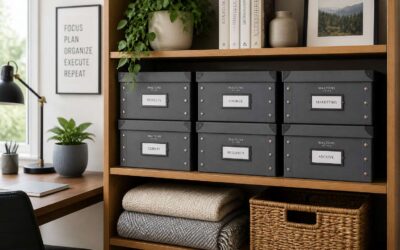
Anyone who has excavated a desk drawer full of orphaned cables understands that clutter is simply entropy with a corporate job. The humble storage boxes 25cm offer an elegant countermeasure. They slip onto a closet shelf with millimetres to spare, or rest on a desk corner without demanding attention.
Spaces where these boxes earn their keep:
– Closet shelves holding folded denim or off-season belts
– Desk drawers divided into zones for sticky notes, lip balm, and stray USB drives
– Entryway cubbies guarding keys and dog leads
The footprint matters. At 25cm, each box aligns with standard shelving depth, so it integrates into existing furniture rather than occupying precious real estate. Storage boxes 25cm keep your daily environment from staging a coup.
Comparing 25cm with Other Sizes
Nobody notices 5cm until a cupboard door refuses to close. A 30cm container demands deeper shelving. A 20cm option forces stacking or leaves dead space. Storage boxes 25cm sit between these extremes, and for South African homes where cupboard depths vary between older houses and modern apartments, that middle ground carries practical weight.
Measurements settle the debate. A shelf at 28cm deep accommodates a 25cm box with room to spare, while a 30cm box scrapes the back panel. I have seen the same footprint fit inside kitchen drawers and bathroom cabinets, where depth runs even tighter.
The sizing logic:
- 25cm: fits most shelves, works as a drawer zone
- 30cm: needs tailored furniture
- 15cm: only practical in shallow drawers
Storage boxes 25cm work within the margins other sizes ignore.
Materials and Durability
Plastic vs. Cardboard
A cardboard box that once held your belongings can quietly become home to crickets or absorb the creeping damp of a Highveld winter. That’s the reality many face when choosing storage materials.
When you opt for cardboard, you get a lightweight solution that is easy to label and stack. But its lifespan depends entirely on your environment. The moment humidity rises, or a silverfish finds the adhesive, your stored goods are at risk. Plastic, on the other hand, offers a completely different profile. It manages moisture well and withstands the knocks of a busy garage or an overfilled cupboard. For a storage boxes 25cm solution, the material choice dictates how often you can expect to repurchase.
– Plastic resists water damage and is simple to wipe clean.
– Cardboard is more susceptible to tearing and crushing under weight.
– Plastic survives frequent handling without losing its shape.
– Cardboard compresses when a stack gets too heavy, risking the contents.
The trade-off often comes down to weight load and local climate. Cardboard is fine for lightweight items like paperwork in a dry office. But for a 25cm box meant to hold tools or photo albums in Johannesburg’s humidity, plastic is the safer bet. The upfront cost of plastic is offset by its reusability. Cardboard begins to soften at the edges within a year of regular use, whereas a quality plastic bin can endure a decade of shifting. If you’ve ever had the bottom give out on a cardboard container, you know the value of that reliability. The decision is practical, and the materials make the difference clear.
Considerations for Moisture and Weight
There is a moment, familiar to anyone who has lived through a South African summer, when the air itself feels heavy. That weight settles into the fibres of our homes, and it is precisely there that a storage box earns its keep. The choice of material for your storage boxes 25cm becomes less about preference and more about survival, the quiet endurance against an unseen enemy.
Consider the ambient humidity that creeps into a Durban flat or the dry, thinning air of a Joburg winter. Cardboard, for all its charm, is a sponge for this atmosphere. It softens, it sags, and it eventually surrenders its structural integrity. A stack that seemed sturdy in the shop becomes a precarious tower in your garage, the bottom boxes bowing under the strain of the ones above. This is not a hypothetical failure; it is the physical reality of cellulose absorbing a changing climate.
Plastic, by contrast, offers a stoic resolution. It does not drink in the moisture, and it refuses to relent under the pressure of a heavy load. The integrity of the seal, the rigidity of the wall, and the precision of the stacking ribs all contribute to a unit that holds its line. For the collector of heavy vinyl records or the keeper of hand tools, the question of weight is immediate. A container that flexes under load will eventually crack, but a well-made polymer holds firm.
To understand the practical limits, consider these criteria for material selection:
– The tolerance for temperature swings in an uninsulated roof space.
– The resilience of the base when shifting the full box across a concrete floor.
– The resistance to chemical leaching from stored items like solvents or old batteries.
– The ease of sanitising after a flood or a pest infestation.
The physics of weight distribution also plays a role. A 25cm dimension is a sweet spot for manual lifting, but it is also a size that can be stacked high. Plastic boxes, with their interlocking lids, distribute the vertical force evenly down the corners. Their cardboard counterparts rely on the glue holding the side seams, the first point of failure when the stack grows too ambitious. This is the unglamorous truth of long-term storage: the material must outlast the memory of why you packed the items in the first place.
Eco-Friendly Options
The lifetime of storage boxes 25cm can outlive the item they store. In South Africa, eco-conscious buyers now inspect the polymer’s lineage. Recycled high-density polyethylene resists cracking, while hemp blended with polypropylene offers flex without fatigue. These storage boxes 25cm survive the jolt of a bakkie’s load bed.
- The ratio of recycled to virgin resin.
- The presence of natural fibres for tensile strength.
- The tolerance for UV exposure in an open shed.
Biocomposites from sugarcane bagasse feel smooth and smell neutral, unlike some virgin plastics. I have watched a stack of these cubes endure a KwaZulu-Natal summer without bowing. Durability and responsibility need not quarrel, so long as the moulding process respects the material’s limits. A sensible buyer reads the resin code, not the label.
Maximizing Space with 25cm Boxes
Stacking Techniques
Stacking storage boxes 25cm without a system is a social faux pas we have all witnessed. The leaning tower of shoeboxes, the avalanche in the passage. A proper stack respects weight distribution. Place heavier items at the base, lighter ones aloft.
The compact footprint allows for a neat grid, but only if you align corners and avoid overhang. In my experience, the difference between a useful stack and a precarious one is patience. Stagger the seams so the columns gain stability.
A single row of storage boxes 25cm wide fits neatly on standard shelving. Two rows side by side create a square footprint. Three rows and you have a wall. Keep each layer uniform. Mixed sizes invite chaos. Uniformity is the quiet courtesy of good storage. A tidy stack signals competence to anyone who walks past, which matters more than we admit.
Labeling for Quick Access
Research suggests that the average person loses ten minutes daily searching for unlabelled items. That time adds up, yet most people overlook how labelling frees usable space. A stack of storage boxes 25cm allows quick retrieval when each container carries a clear marker. You stop rummaging, so the stack stays intact and the floor area remains clear.
A good labelling convention uses colour or text. For instance:
- Colour coded lids for each room
- Written descriptions on removable tape
This system turns identical boxes into a precise inventory. The clarity reduces disruption and keeps the surrounding area functional.
Integrating with Shelf Systems
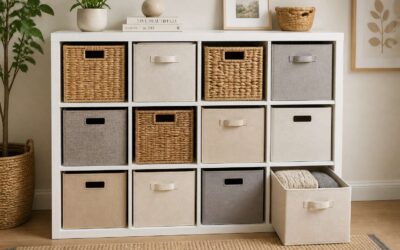
The compact footprint of storage boxes 25cm aligns perfectly with standard shelving units found in most South African homes. When you measure the internal depth of a typical bookshelf or garage rack, you often find wasted space at the front. These boxes bridge that gap, turning unused volume into a structured system.
I have seen garages where a 40cm deep shelf holds a single row of larger bins, leaving a void that swallows smaller items. By using 25cm boxes, you can place them front and back, or side by side, creating a dense block of storage that maximises the linear metres available. This approach works well in kitchens and home offices.
Consider the practical benefits of integrating these boxes with shelving:
– The width fits standard bracket spacing without overhang.
– The height allows for two or three tiers on a single shelf.
– The material weight remains manageable when pulling them out.
This dimensional harmony prevents the chaotic leaning stacks that often plague storage areas. Instead of relying on vertical piles that topple, you build a stable, layered inventory. The result is a cleaner visual line and a more efficient use of the cubic space in your room, which is the true measure of effective organisation.
Creative and Unconventional Uses
Craft and Hobby Storage
My sewing room was chaos. Then I discovered that storage boxes 25cm could hold an entire colour palette of embroidery silks, each box dedicated to a specific project.
These dimensions also suit polymer clay artists who need to separate raw blocks from baked pieces. The transparency of a classic plastic box lets you spot what you need without opening every lid.
- Turn a box into a portable watercolour palette by lining it with airtight mini pots.
- Store stamping dies vertically inside one box, using index cards as dividers.
- Keep safety pins and snap fasteners in a separate box, sized perfectly for the shirt you are altering.
I have even seen a leatherworker organise his punches and hole tools by diameter in these storage boxes 25cm, and the stackable nature means you can expand your system without losing floor space.
Travel and Outdoor Applications
A storage box 25cm earns its place on any South African road trip. In the boot, it stops the cooler bag from sliding into the spare wheel well. It also keeps the charging cables and the car’s paperwork separate, so you are not digging through a mound of discarded cooldrink bottles at the toll plaza.
Anglers use these boxes for sinkers, swivels and hooks. Campers find the size ideal for a gas canister and the braai tongs, with room left for a headlamp. On the beach, the transparent lid lets you spot the sunblock without disturbing the whole pile.
- Keep a spare key and a R100 note in a taped-down corner.
- Store the roadside emergency triangle in its own box, not buried under the jumper cables.
Travellers simply pack one, fill it, and know exactly where everything sits.
Gifting and Packaging
Some people wrap gifts in paper that tears in seconds. Others reach for storage boxes 25cm. The container becomes part of the present. Fill one with biltong, a small braai spice blend, and a packet of rooibos tea. The recipient keeps the box long after the contents disappear.
The transparent lid does the heavy lifting. No card needed when the recipient sees exactly what waits inside. These boxes carry homemade rusks to weekend getaways without crumbling. Students in Cape Town and Johannesburg receive care packages that survive the courier’s toss.
- Home-baked vetkoek wrapped in wax paper
- A pouch of ground coffee and a small hand grinder
- Handmade soap and a washcloth
Gifting does not require fancy wrapping. It requires thought. A storage box 25cm shows that, while keeping the contents safe.
DIY Projects
Most DIY guides assume you need a saw and a weekend. The storage boxes 25cm accept a craft knife and an afternoon. A flipped box with casters becomes a rolling base for a pet bowl. A slot cut into the lid turns it into a napkin dispenser. In the workshop, one container holds drill bits while another catches loose screws. The rigid walls tolerate stacking, so a few boxes form a modular pegboard organizer without any permanent fixture. Consider these alterations for your own home:
- Mount a box under a desk for a drop-down headphone holder
- Fix several inside a cupboard door for spice pouches
- Paint the inside with chalkboard paint to create a week planner
Each project uses the box’s square corners and firm closure. Those traits invite modification without requiring advanced skills.
Shopping Guide: Key Features to Consider
Lids and Closures
When you shop for storage boxes 25cm, the lid design determines how well your items stay protected. A snap-lock closure needs a firm press on each corner, keeping dust out but proving frustrating for frequent access. Hinged lids offer easy one-handed opening, though the plastic hinges may weaken after months of heavy use. For delicate paperwork, a recessed lid creates a flush stackable surface, but it leaves gaps if you overload the box.
Consider the following closure trade-offs:
- Snap-lock lids: secure, yet require effort to close fully
- Hinged lids: convenient, but hinge failure is common
- Friction-fit lids: simple and quiet, though they can shift during stacking
The right storage boxes 25cm balance security with daily convenience. A tight seal encourages you to leave the lid ajar, which defeats the purpose. A loose fit gathers dust on shelves. Test the closure before buying a full set.
Transparency and Visibility
The urge to stack three identical opaque boxes and trust your memory is strong. It rarely survives a Monday. Transparent storage boxes 25cm reduce that risk. You can scan a shelf and find the spare phone charger without opening every container. Frosted plastic hides dust while revealing shapes. That works for craft supplies you would rather not display.
Before buying, consider what your eyes need:
- Crystal clear lids for quick identification
- Frosted sides to reduce visual clutter
- Tinted bins to protect light sensitive items
A clear box with a messy interior shows every tangled cord. A frosted one only suggests the contents. Test the visibility level at the shop, because home lighting changes the look. For most rooms, a mix of clear and frosted storage boxes 25cm balances quick access with a tidy shelf.
Portability and Handles
Lifting a storage box by its lid is a mistake you make once. The 25cm size is small enough to hoist, but awkward enough to demand a proper handle. Your fingers will thank you for a moulded grip that sits comfortably under the base.
When shopping for storage boxes 25cm, test the handle design. Molded grips pressed into the side distribute weight better than flimsy fold-down loops. Look for recessed handles that do not interrupt the outer walls, since protrusions catch on door frames and shelves.
- Carry the box empty first, then with weight.
- Check handle clearance for gloved hands.
- Shake it gently to detect rattling components.
A well designed handle decides whether you move your winter blankets in one trip or three.
Aesthetic and Design
A cluttered room raises cortisol, but a storage box that looks like a hospital bin raises blood pressure for other reasons. When shopping for storage boxes 25cm, aesthetic design matters more than you think. A well proportioned box with a matte finish disappears into a shelf, while glossy neon screams for attention.
Consider the visual weight of the box. Rounded corners soften the look, and a subtle texture hides fingerprints better than a smooth surface. Colour choice changes perception: dark tones recede, light tones expand a small space. Before you commit, check these design elements:
- Does the colour match your existing shelves?
- Is the surface easy to wipe without streaks?
- Does the shape fit the intended nook without awkward gaps?
A box that looks good gets used. An eyesore gets shoved into a corner. The right storage boxes 25cm blend form with function, saving you from the archaeology of forgotten clutter.
Price and Value
Price per unit tells only part of the story. A cheap storage boxes 25cm option that cracks within months costs more than a sturdy alternative purchased once. When I compare storage boxes 25cm prices in South African retail, I look at the actual plastic thickness, hinge quality, and whether the lid seals properly.
Consider how many boxes you need for your space. Bulk purchases often reduce the unit price, but only if you genuinely require the quantity. Ask yourself:
– Does the price include a lid, or is that sold separately?
– Will the material withstand your specific humidity levels?
– Is the brand known for consistent sizing?
Value emerges from the box that performs its duty for years, not from the lowest shelf price. A slightly higher upfront cost, spread across a decade of use, becomes negligible.

0 Comments