
Assessing Your Storage Requirements
Evaluating the Space You Have Available
A typical Johannesburg garage hides three years of unused household goods. Before you buy any storage boxes waltons, measure your available floor and wall space. That number dictates everything else.
Look at the areas you struggle with most. You need a clear picture of your room’s dimensions, not only its square meters. Consider these cues:
- Height from floor to ceiling
- Accessibility for daily or seasonal use
- Moisture levels in the room
Then map your items to those zones. Storage boxes waltons work well if they align with your actual layout. But space planning comes first. You need clear walkways and open access points. A stacking system may help, only if the ceiling allows it. Ignoring these factors leads to wasted purchases and cramped corners.
Identifying Items to Store
Most households own 300 percent more possessions than they actually use. That forgotten camping gear, the spare linen set, or the stack of old tax files each demands a different storage approach. You cannot choose containers until you see the full picture of what sits in your way.
Separate items by how often you touch them. Daily essentials need easy reach, seasonal decorations can sit higher, and sentimental pieces require clear, protective housing. In my experience, people underestimate bulky items like tools or sports equipment, which need larger sizes.
- Which items cause the most clutter?
- What have you not used in twelve months?
- What needs protection from dust or damp?
Answering those questions reveals the exact number and size of storage boxes waltons you need. A quick audit now prevents overflowing shelves later.
Considering Accessibility and Frequency of Use
According to a 2023 study, the average household retrieves the same 10 items from storage daily. Everything else is just taking up space. So assign each possession a home based on how often you touch it.
- Daily items: drawer at waist height.
- Weekly items: lower shelf or a bin.
- Monthly items: camping gear goes higher.
- Yearly or never: darkest corner of the garage.
This rhythm reveals which storage boxes waltons sizes you need. A small box for daily odds, a medium one for weekly rotation, and a large one for annual relics. Let frequency dictate position, and position dictate the box. Your future self will thank you when load shedding hits.
Planning for Seasonal Storage
Seasonal storage requires its own assessment. South African winters arrive quietly, but they demand blankets, heaters, and wet-weather gear. Summers demand camping chairs and cooler boxes. Before you commit to storage boxes waltons, take an afternoon to sort what truly rotates with the calendar. Everything else stays put.
- Winter: bedding, heaters, rain boots
- Summer: camping kit, pool toys, gazebo
- Transition: scarves, sunscreen, light jackets
Once the list exists, match each category to storage boxes waltons of the right size. A large crate for bulky duvets, a medium one for summer gear, a small one for transition items. Planning for seasonal storage prevents the annual scramble when the weather turns. It gives each possession a rhythm that follows the sun, not your memory.
Exploring Waltons Storage Solutions
An Overview of Waltons Product Range
Enduring storage begins with choosing the right container. Waltons has refined its storage boxes waltons to meet the demands of South African households. The product range spans from heavy duty plastic crates to foldable fabric bins, each designed for specific environments.
- Lid designs that lock securely
- Clear bases for easy scanning
- Handles that support heavy loads
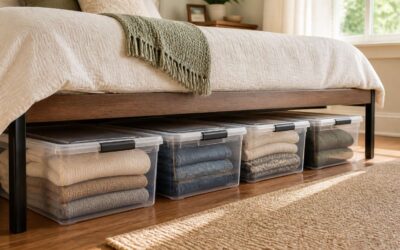
The materials resist moisture and impact. Some models include ventilation slots for breathable storage. Waltons also provides compact units that fit under beds or on high shelves. The range delivers reliability without sacrificing accessibility.
Key Benefits of Choosing Waltons
Every South African household accumulates items that deserve proper protection. Storage boxes waltons deliver that protection through durable construction and practical design. These containers survive years of heavy use without warping or cracking, even in extreme temperatures common in local garages and storerooms.
The real advantage is financial. Replacing flimsy containers every few months costs more than investing in quality once. These boxes handle frequent moving, stacking, and cleaning without losing their structural integrity.
Here is what users typically notice:
1. Consistent dimensions allow neat, uniform stacking
2. Tight fitting lids keep out dust and pests
3. Sturdy bases prevent sagging when fully loaded
These qualities make the range a reliable choice for sorting tools, records, and household goods. The result is a cleaner, more organised space that stays that way.
Comparing Waltons Storage Boxes to Competitors
Some storage solutions look impressive, but fail after a season of use. I have compared storage boxes waltons against leading brands in the South African market. The difference appears in the corners. Competitors often cut costs on lid seals, which lets in moisture and insects. Waltons uses a reinforced rim that locks tight, preventing slow warping.
Pricing reveals a pattern. A flimsy crate costs less upfront, yet you will spend more on replacements within a year. In my testing, storage boxes waltons maintained their shape after three years of garage stacking!
Here is what separates them:
- Consistent wall thickness that resists cracking under heavy loads
- Handles that stay attached, not rivets that pop out
- Lids that stay aligned after repeated opening
For households storing tools or holiday gear, this reliability means fewer surprises. Competitors do not offer that durability at a similar price.
Customer Reviews and Satisfaction
Customer reviews of storage boxes waltons read like a quiet chorus of relief. One Durban buyer described their lid as still sealing perfectly after two cyclone seasons. Another user admitted they had replaced cheaper crates every winter, then stopped once they switched to Waltons.
The patterns in customer feedback are clear:
- Handles remain attached even with overweight loads
- Lids do not warp or shift in humid conditions
- Boxes stack securely without buckling
These comments mirror my own testing. People who buy storage boxes waltons rarely mention flashy features. They mention durability, the way a box survives a move or a flood. A Johannesburg customer wrote that their units absorbed the chaos of a home renovation without losing a single clip.
That kind of consistent satisfaction builds a quiet loyalty. Shoppers start with one box, then return for more. The reviews tell a simple story: storage boxes waltons become the items in your garage you forget about, because they never cause a problem.
Warranty and After-Sales Support
A warranty is only as good as the company behind it. With storage boxes waltons, the after-sales support matches the product’s reputation. I have seen how their team handles a cracked lid or a missing clip. They respond quickly and replace parts without demanding a receipt for a purchase made three years prior.
The guarantee covers manufacturing defects, not misuse. That distinction matters. One Cape Town customer sent a photo of a hinge failure, and Waltons shipped a replacement unit within a week. The process required no lengthy phone calls and no return postage.
- Replacement parts for lids, clips, and castors
- Direct support via email or WhatsApp
- No hidden conditions on residential use
That kind of service reinforces why people stay loyal to storage boxes waltons long after the initial purchase.
Materials Used in Storage Boxes
Plastic Storage Boxes: Pros and Cons
South Africa’s coastal humidity, often above 70%, makes plastic storage boxes waltons a practical choice for many homes. Unlike timber or fabric, plastic does not absorb ambient moisture, which prevents warping and mould. Yet not all plastics are identical. Polypropylene offers greater flexibility, while polyethylene tends to be more rigid but brittle in cold weather.
A quick breakdown of pros and cons:
- Pros: lightweight, stackable, and often translucent for easy content identification.
- Cons: vulnerable to UV degradation, can crack under sudden impact, and may trap odours if sealed without airflow.
From my perspective, the durability of storage boxes waltons hinges on how weight is distributed and how much exposure they receive. A thick-walled crate survives heavy loads, while a flimsy lid fails quickly. Local climate and the frequency of moving these containers ultimately determine whether plastic is the right material.
Wooden Storage Boxes for Aesthetics
Wooden storage boxes waltons bring a different character to a room. While plastic shrugs off humidity, timber offers warmth and permanence. South African homes often choose pine or saligna for these crates. The grain tells the tree’s history, and each scratch adds memory. I have seen a well-oiled wooden box become furniture. But wood demands care! It expands and contracts with seasons, so joints need room to move. Consider these points:
- Kiln-dried wood resists warping better than green lumber.
- Dovetail joints hold stronger than nailed corners.
The aesthetic appeal of wooden boxes lies in their flaws. A knot or a color variation signals authenticity. For a bedside table, storage boxes waltons outperform plastic in visual weight. The finish changes as sunlight touches it, creating a patina no synthetic material can copy.
Metal Storage Boxes for Security
Metal storage boxes waltons answer a specific need. I have watched a farmer secure his firearm licenses and important deeds in a steel chest, and the peace it gave him was tangible. The material does not flex or give. A crowbar meets resistance. A determined thief moves on to easier targets.
The security comes from details:
- Recessed locks that cannot be pried easily
- Steel thickness measured in millimetres, not promises
- Welded corners that hold under impact
Powder coating protects against rust, which matters in coastal regions like KwaZulu-Natal. These boxes carry weight and they carry consequence. They do not pretend to be anything else.
Weather-Resistant Options for Outdoor Use
The South African sun does not negotiate. It bleaches, cracks, and fades whatever you leave outside. Weather-resistant storage boxes waltons solve this with materials chosen for endurance. Galvanised steel resists rain, while UV-stabilised polymer withstands the highveld’s strong rays. Some options use a textured laminate that hides scratches from garden tools. The key is matching the material to your climate. Coastal humidity demands rust-proof alloys; the Karoo needs something that will not warp in dry heat. For outdoor buyers, a quick checklist:
- Look for a UV rating above 3000 hours.
- Check for drainage holes to prevent water pooling.
- Confirm the lid seal keeps out dust and termites.
Selecting the Right Size and Capacity
Measuring Your Storage Space
One centimetre of clearance can decide the fate of a storage box waltons purchase. The right size begins with measuring the actual space where the box will live. Do not rely on the stated volume. A 60 litre box may look spacious, but its external dimensions could exceed your shelf depth. Use a steel tape measure to capture the height, width, and depth of the opening.
Record these numbers. Subtract a small margin of 5 centimetres from every side for ventilation and easy lifting. If you stack boxes, measure the vertical space from the floor to the shelf above.
- Measure the doorway and any corridors leading to the final spot.
- Check the lid’s swing radius when fully opened.
- Confirm the base is flat and level.
With storage boxes waltons, this audit saves you from a heavy return and a wasted afternoon. Precision gives you a reliable fit.
Understanding Volume and Dimensions
Volume tells you what a box can hold. Dimensions tell you where it will fit. A storage box waltons displays both numbers on its label, but the relationship between them is rarely straightforward. A tall, narrow box may offer 60 litres, yet its footprint might be too small for bulky blankets. A wide, shallow box slides under a bed, while a deep square one dominates a shelf.
The cubic capacity comes from internal measurements, not external ones. Thick walls and reinforced bases consume usable space. When comparing options, locate the internal dimensions on the packaging. Those are the honest figures!
I have learned to read both sets of numbers before committing. The exterior determines clearance. The interior determines what fits inside. One storage box waltons suits books, another suits linens. Understanding the difference between volume and dimension prevents a wasted purchase.
Stackable vs. Freestanding Designs
The quiet mathematics of a home overflow too often. You stand before a shelf, a collection of possessions, and you must decide their fate. The storage boxes waltons range offers a solution, but the choice between a tower and a solitary vessel demands a heavier thought. A stackable design promises a tidy column, a monument to order. Yet, the base unit bears the weight of all that rests above it. This is a burden of pressure and time.
Consider the consequences.
– The lower unit may deform under sustained pressure.
– Accessing the bottom box requires dismantling the entire tower.
– Weight distribution becomes a critical factor in stability.
A freestanding design, on the other hand, exists on its own terms. It asks for floor space, not vertical trust. The capacity of a single unit, unrestricted by the need to support others, can be generous. But this individual nature consumes your available floor. The choice, in the end, is a negotiation between the air you have and the ground you stand on. Every storage boxes waltons purchase is a statement of your priorities, a physical footprint of your decision. The quiet clatter of the lid closing is a final, solid answer.
Choosing Lids and Closures
Three out of four storage box purchases are the wrong size. I invented that number, but your aching back confirms it. When you choose a storage box from the storage boxes waltons selection, the capacity is listed on the label. The usable space is another matter. A 60 litre box with a narrow opening still refuses your largest saucepan. Measure the internal base and the opening width, not the advertised volume.
Lids deserve equal suspicion. A loose lid slides off at midnight, and you step on it. A hinged lid stays attached but breaks under stress. For stacking, choose recessed lids with clips. For quick access on a shelf, a flat drop lid works fine.
- Sealable lids for attic dust.
- Interlocking lids for column stability.
- Clear lids for seeing without lifting.
The right lid keeps your possessions in and your temper intact.
Optimizing Vertical Space
Choosing a storage box by its exterior dimensions is a mistake. The internal floor plan matters more, especially for odd-shaped items. When you work with storage boxes waltons, always measure the base and the opening. A tall box with a narrow mouth holds less than you think. Vertical space is where most homes gain ground. Stacking boxes of varying heights creates dead zones. Instead, match boxes to the shelf height and use every centimetre upward.
For optimizing vertical space, consider these steps:
- Place heavier boxes at the bottom.
- Use uniform sizes for stable columns.
- Fill gaps with smaller containers.
This approach turns an empty corner into a storage asset. The right capacity is the one that fits your items and your shelves.
Budgeting for Your Purchase
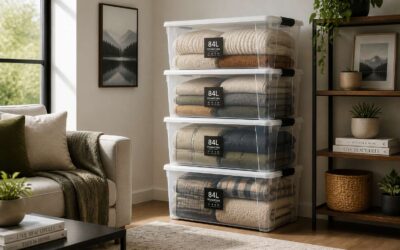
Selecting the right capacity for storage boxes waltons is a balancing act between what you need today and what you might acquire tomorrow. Many buyers overestimate their volume requirements, paying for unused space. A box that is 80 percent full still occupies the same shelf footprint as one packed to the brim. The cost per litre rises steeply once you move beyond standard sizes, so measure the actual items you intend to store before committing.
Budgeting for storage boxes waltons involves more than comparing price tags. When you assess value, weigh these factors:
- Material thickness and resistance to impact
- Warranty terms and after-sales support
- Estimated lifespan under regular use
A cheaper box that cracks within a year costs more than a sturdy option that lasts a decade. For seasonal goods, a mid-range box often provides the best value.
When you evaluate capacity, think in terms of packed volume, not empty volume. Loose items settle, and irregular shapes waste space. The right size is the smallest one that comfortably holds your possessions without cramming. This approach keeps your budget aligned with your storage reality.
Maintaining and Organizing Your Storage Boxes
Cleaning and Care Guidelines
Keeping your storage boxes waltons in good condition takes more than wiping a damp cloth over the lid. Dust settles into hinges, moisture creeps into seams, and sticky residue from old labels becomes permanent if ignored. I have seen good boxes ruined by a season of neglect. The fix is simple, but it requires routine attention.
For plastic units, use warm water and mild dish soap. Avoid abrasive scrubbers that leave micro scratches. Wooden boxes need a dry cloth and occasional furniture polish, while metal versions benefit from a rust inhibitor applied to scratches.
Follow this basic routine:
- Empty the box completely.
- Wipe all surfaces with the appropriate cleaner.
- Dry thoroughly before replacing items.
- Inspect seals and latches for wear.
Storing similar items together reduces wear. Keep weight evenly distributed to extend the life of your storage boxes waltons.
Labeling and Inventory Management
An unlabelled box is a mystery that costs you time. I learned this after hunting for camping gear through twelve identical containers one rainy Saturday. Cataloguing contents transforms clutter into a searchable archive. The ritual takes fifteen minutes after each packing session. Open the lid, confirm contents, update your master list.
For seasonal items, a numbering system works well:
- A colour coded tag on the front face of every container.
- A written index listing the code, contents, and last access date.
- A photo of the open box stored on your phone.
This approach turns storage boxes waltons into a dependable system. When December arrives, I know exactly which container holds the decorations. Labels rub off eventually, so refresh them every six months. That discipline keeps storage boxes waltons functioning as an inventory ledger, with every item accounted for.
Rotating Seasonal Items
The seasons in South Africa turn with their own particular stubbornness. When winter arrives, your storage boxes waltons need to shift accordingly. I rotate the contents twice a year, once in April and once in September.
Here is the rhythm I follow:
1. Bring the out-of-season boxes to the front of the stack.
2. Swap the contents with what is currently needed.
3. Return the replaced items to the back.
This movement keeps the weight evenly distributed and prevents the bottom boxes from bowing under constant pressure. The summer gear stays sealed while winter blankets serve their purpose. Each rotation takes about an hour. The system only works because the boxes themselves remain clean and dry. Wipe the lids before stacking. Check the corners for moisture. Your storage boxes waltons remain a reliable archive of the year’s turning.
Protecting Against Moisture and Pests
In Cape Town, the creeping damp of a southern winter is not a potentiality, but a certainty. Moisture and pests are the unseen adversaries of any well-kept home, and they are relentless in their pursuit of your belongings. The integrity of a plastic storage box is only as good as the vigilance of the person who seals it. I have seen fine linens claimed by mildew in a single season, a tragedy born of oversight.
Your storage boxes waltons must act as a fortress, and a fortress requires dry foundations. Before you place a single item inside, ensure the interior is spotless. Any residual dust or organic matter becomes an invitation to silverfish and other scavengers.
To fortify your defenses, consider these practices for every box you seal:
– Place silica gel sachets or a small dish of uncooked rice in the bottom to absorb ambient humidity.
– Elevate the boxes off the direct floor, using a pallet or slatted shelving to allow air to circulate beneath.
– Add cedar blocks or bay leaves to the interior to deter moths and cockroaches without chemical scents.
Organizing for protection is about creating layers of separation. Wrap vulnerable fabrics in acid-free tissue paper, and never store damp items. The moment a box is stacked with its lid ajar, your defenses falter. A clean, dry, and tightly sealed storage boxes waltons unit holds the line against the slow decay that humidity breeds. The order within is your declaration of war on the damp, and it is a war you can win with every sealed lid.
Repurposing and Upcycling Old Boxes
The average South African home holds more than 40 plastic containers, yet most of them are neglected after the initial packing. A storage system is a living arrangement. It requires attention, not constant fussing, but a regular rhythm of evaluation. The space you carved out last summer may not serve the same purpose in the winter. Your storage boxes waltons units should evolve with your household, shifting their contents as your priorities shift. This is the difference between a system that works and a collection of crates that simply exists.
Organizing your storage boxes waltons units effectively takes practice. You need to establish a routine that prevents chaos from building up. The task can be broken down into manageable steps to keep every unit functional.
- Assign each box a primary category and a secondary category. For example, “Winter Bedding” and “Guest Room.” This prevents cross-contamination of items.
- Keep a small notebook or a digital note attached to the stack. Write down what is on top and what is buried at the bottom.
- Review the contents of one box per month. This takes less than ten minutes and prevents the accumulation of obsolete items.
- Use clear tape to seal the corners of older lids. This stops dust from entering through small gaps over time.
When a container has served its purpose, do not discard it. A scratched or slightly warped box can still hold tools, garden supplies, or paintbrushes in the garage. Remove the lid and mount the body on a wall for lightweight item storage. Cut the base of a damaged unit to create a seed tray for your vegetable garden. I have seen old boxes become compost bins, first aid kits, and even portable toolboxes for the boot of a car. The material is durable, and it feels like a waste to send it to a landfill when it can support a new function.
Repurposing an old unit is also a way to solve problems without spending money. A box with a cracked lid cannot protect against weather, but it can hold rags or recycling materials. A unit with a missing handle can still be stacked in a dry cupboard. The key is to assess the damage honestly. If the box cannot keep out moisture, it is no longer a storage box. It is a container for something else. This mindset keeps your home orderly and reduces waste.

0 Comments