
Evaluating Heavy-Duty Plastic Storage Options
Material Quality and Durability
Sunburnt Tupperware and warped lids have ended many a South African storage scheme. When evaluating heavy duty options, the material’s pedigree matters more than the label. Polypropylene (PP) resists chemical wear better than high density polyethylene (HDPE), but HDPE withstands impact. A cheap box from a roadside stall feels brittle. The Viking range uses virgin resin compounds, not recycled filler. That distinction shows in the flex.
Check the wall thickness. Thin plastic bows under weight. A solid base needs structural ribs. These reinforcements prevent cracking when you stack boxes high.
Now, the climate test. Cape Town sun destroys UV unprotected material. Ask for a box with UV stabilisers. The colour fades, but the structure holds. Mold thrives in Durban humidity. A tight gasket seal and vented lid design combat moisture. Look for these:
– Deformation resistance during temperature swings
– Lid integrity after repeated openings
– Load capacity ratings printed on the base
The Welkom heat will humble any poor performer. Plastic storage boxes viking designs prioritise these stress points. The hinge mechanism, often a weakness, uses a steel pin. That is a longevity marker. You want a bin that survives the winter and the summer. A flimsy product fails within a season. A good one stays functional. Examine the weld lines. Uneven seams point to poor manufacturing. Choose a box built with patience. Your possessions require it.
Stackability and Weight Capacity
The psychology of stacking is trust. You place a heavy bin onto another and walk away. The weight transfers through the base and into the lid below. A reinforced rim accepts the load without creaking. The published rating tells you the limit, but the real test is the seam where wall meets floor.
Consider the footprint. A square base distributes force evenly. A warped rectangle invites failure. When you seat these containers, the lid must click firmly. That click confirms the seal. The lid then transfers compression through the stack without flexing.
- Verify the stacking lugs align across multiple units
- Match the rated capacity to your actual contents
- Inspect the base ribs for support integrity
Plastic storage boxes viking units rate stack weight in kilograms. Read the base. Respect the number. An overloaded bottom box turns a neat stack into a collapse event. Plastic storage boxes viking designs account for the uneven weight of household goods, from tools to winter blankets.
Comparing Lid Designs
A lid is the first point of failure. The wrong one snaps, warps, or simply vanishes. Evaluating heavy-duty plastic storage options means examining rims and hinges closely. Some lids recess, allowing another box to sit flush. Others dome upward, robbing vertical space and mocking your shelving. You want a lid that seats with a firm press and releases without a crowbar. Handles on the lid? A gimmick, until you need them. Gaskets? Splendid, until they trap moisture and create a science experiment. Plastic storage boxes viking offer lids that balance these quirks. They clip, they seal, they stay put.
Consider the attachment method:
- Tuck-away latches stay out of the way but can snap under stress.
- Over-centre buckles provide real tension but add bulk.
- Hinged lids prevent lost covers but complicate stacking.
Choose the irritation you can tolerate. Plastic storage boxes viking give you options, not miracles.
Transparency and Visibility
Clear plastic storage boxes viking let you see the chaos before you commit to opening them. There is a quiet satisfaction in spotting the exact cable tie without unpacking five identical containers. Transparency is about time. In a busy garage, every minute spent hunting is a minute lost.
Polymer clarity varies. Some boxes are translucent, showing a vague silhouette. Others are fully transparent, revealing every screw and socket. That difference matters when you store similar items! For South African homes dealing with humidity, seeing inside without breaking the seal also reduces wear on gaskets and latches.
A quick inventory check becomes effortless:
- Old manuals stay visible, so you know when to toss them.
- Seasonal gear is identifiable from a distance.
- Small parts avoid the dreaded mix-up of lookalike fittings.
Plastic storage boxes viking deliver that level of clarity. They make storage straightforward.
A Guide to Container Styles and Sizes
Small Parts and Hardware Organizers
Nothing derails a project faster than hunting for a 3mm washer! The right container system turns a cluttered bench into an orderly workspace. When selecting plastic storage boxes viking, look beyond overall capacity. The internal layout often decides whether you will actually use the system.
- Shallow tilt bins for screws and nuts
- Medium depth trays for bolts
- Adjustable divider boxes for washers, clips
Each style serves a distinct function. Tilt bins support rapid access during repetitive work. Divider systems allow you to resize compartments as your inventory changes. I prefer matching the container size to the component’s smallest dimension, not the quantity. Plastic storage boxes viking offer this granularity across multiple sizes. The variety in compartment dimensions aligns with the reality of a growing hardware collection.
Medium Totes for Seasonal Items
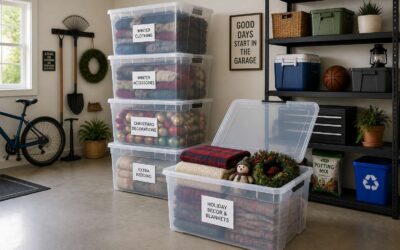
Most homes rotate the same twenty boxes between garage and loft twice a year. Medium totes carry that burden. Their dimensions suit bulky textiles, festive decorations, and camping equipment without consuming the entire floor plan.
Reinforced rims matter here. A full tote of winter duvets weighs surprising kilograms! I have seen cheap containers buckle under that load. Plastic storage boxes viking distribute the mass evenly across the base, preventing sag in the centre panel.
A practical rotation sequence for South African households:
– Summer: tote holds camping chairs and inflatable mattresses
– Autumn: duvets and electric blankets swap places
– Winter: festive lights and outdoor cushions wait their turn
The handles sit low enough for a controlled lift when the load is heavy. Medium totes bridge the gap between small parts organisers and oversized bulk bins.
Large Rolling Bins for Bulk Storage
When the volume of stored goods exceeds what a medium tote can manage, the conversation shifts to bulk storage. Large rolling bins address the logistics of moving heavy loads across a garage floor or into a workshop. These containers, often equipped with wheel assemblies and a pull handle, reduce the physical strain of relocation.
Consider the weight of a full bin of bricks, tools, or garden supplies. I have moved enough soil bags to appreciate a rolling bin that tracks straight. The wheel placement matters more than the litre capacity. A balanced axle allows a single person to manoeuvre sixty kilograms without risking their back. Plastic storage boxes viking offer reinforced bases that keep the wheels aligned under pressure.
- Wheel diameter affects threshold clearance
- Handle height should suit the user’s stance
- Locking casters prevent drift on sloped surfaces
These bins suit bulk items like charcoal bags, potting soil, or off-season stock. Their size demands floor space, so measure doorways before committing. The right rolling bin becomes a workhorse, not a hindrance.
Specialty Crates and Utility Boxes
Standard totes are generalists. Specialty crates are specialists. Utility boxes with perforated bases handle wet gear without pooling water. Open crates grant instant access to loose items like braai charcoal or fishing tackle, bypassing the need for a lid entirely.
I favour the deep utility bin with a drop-in tray for long-handled tools. That structured geometry beats stuffing everything into a wide mouth. The plastic storage boxes viking series tackles this niche with a rigidity that rivals dedicated tool chests.
Consider the features that matter most:
- Crates sized to fit specific shelf bays or vehicle boots.
- Utility boxes with reinforced handle straps for awkward loads.
- Dished bases that channel rainwater away from contents.
You trade a few litres of volume for a dedicated home for every awkward item. In a compact South African workshop, that precision beats raw capacity.
Nesting and Collapsible Designs
Nesting designs collapse a storage footprint. A stack of empty containers occupies the same floor space as a single unit, which matters in a garage where every square metre carries a cost. Collapsible crates fold along their sidewalls into flat panels that slide behind a cupboard. The plastic storage boxes viking range includes both approaches, and each solves a different problem.
Nested boxes suit permanent homes where tidy rows are the priority. Collapsible units suit the weekend loader who fills the bakkie on Friday and stores everything flat by Sunday. Shelf depth determines which style works, because a collapsed crate still needs a gap to live in.
- Nesting towers: identical units interlock when empty.
- Collapsible panels: fold flat for narrow gaps.
- Hybrid lids: clip on for stacking, or lift off for nesting.
The viking plastic storage boxes keep their rigidity when assembled and their thinness when folded, giving the garage both density and air.
Smart Ways to Use Plastic Bins Throughout Your Home
Closet and Wardrobe Rotation
Staring at a pile of winter jumpers in September, I realized that plastic storage boxes viking are the only reason my closet stays organised during the seasonal shift. A bin for knitwear rests above the shelf, while another holds silk scarves.
- Heavier coats stay on the bottom, lighter shirts on top.
- Shoes get their own containers, so the leather never touches fabric.
Seeing the folded layers through the transparent walls prevents me from rummaging through each stack. This practice protects my garments and shortens the morning rush before work!
Kitchen Pantry and Food Storage
Pantry shelves are where good intentions go to expire. I once found a bag of sorghum so old it had developed a personality. Since switching to plastic storage boxes viking, the cupboard makes sense. The clear walls show exactly what I have, so I stop buying a second bag of oats every week.
I sort by routine:
- Breakfast: oats, muesli, bran flakes
- Baking: flour, sugar, baking powder
- Dinner staples: rice, pasta, lentils
The lids snap shut firmly, keeping humid Cape Town air out of the rice. Chia seeds and biltong powder no longer languish in despair. The shelves look neat, and my cooking has regained some dignity.
Garage and Workshop Tool Organization
Garage floors collect rust, sawdust, and misplaced socket sets. In my workshop, the plastic storage boxes viking ended the daily hunt for tools. Each bin holds one category of equipment, so the angle grinder no longer shares space with wood chisels. Power tool betteries live in one box, hand tools in another, and fasteners stay in a rolling caddy near the workbench.
The system follows a simple logic:
- Drils and drivers sit in the top bin.
- Measuring tools occupy the middle shelf.
- Cutting tools stay in a bottom box.
For the garage itself, plastic storage boxes viking handle the overflow. Ropes, tie-downs, and jumper cables each get their own container. The lids keep moisture from the concrete floor away from metal tools. My workbench stays clear, and I spend more time building and less time searching.
Kids Toys and Craft Supplies
Children accumulate items at a pace that adults rarely anticipate. In my own home, plastic storage boxes viking turned the playroom from a chaotic pile of art projects into a workable space. One bin holds paper rolls and card stock. Another contains fabric scraps and ribbons. The key is to separate by medium, not by age.
A simple system keeps the creative clutter manageable:
- Beads, buttons, and googly eyes live in a small lidded box.
- Paints, brushes, and aprons share a medium tote near the sink.
- Puzzles and board games stack in a deep container with handles.
When each material has a designated home, children learn to return items without being told. The lids on plastic storage boxes viking prevent tiny pieces from scattering under furniture.
Holiday Decorations and Keepsakes
December in South Africa brings heat, tinsel, and inherited nostalgia. My attic held three generations of Christmas ornaments, so I turned to plastic storage boxes viking to rebuild order. Glass baubles rest in a padded bin, while fairy lights coil inside a smaller tote.
Keepsakes like school reports and grandmother’s recipe cards demand acid-free layers. One box stores the children’s first clay handprints. Another protects the old paper lanterns from mildew during our humid summers. Label each lid with a permanent marker and the job is half done! When the festive week ends, the boxes slide onto the top shelf without complaint. The clarity of the plastic lets me spot the tinsel without pulling everything out. This system keeps memory safe from the chaos of celebration.
Outdoor and Camping Gear
Outdoor and camping gear resists tidy storage, yet plastic storage boxes viking bring order to the wilderness of the garage. After the holiday decorations are returned to their shelf, I turn to the dusty tent and rolled sleeping bags. A wide tote swallows the canvas, while a smaller bin holds pegs, guylines, and the rubber mallet.
Before each trip, I check the kit:
- Headlamps with batteries reversed
- Stove and fuel in separate crates
- Braai tools and cleaning cloths
The clear lids reveal the contents at a glance, sparing me from rummaging. These bins ride the bakkie’s loading bed without cracking under the sun. They return from the Drakensberg dusted and scarred, still locking shut for the next escape.
Key Features to Look for in a Premium Storage Box
Reinforced Handles and Latches
A latch that clicks shut is not enough. On plastic storage boxes viking, the locking mechanism must engage cleanly every time, even when the box is packed to capacity. Look for handles that are molded into the body rather than attached as separate pieces. This eliminates the weak point where most failures occur.
Reinforced ribs along the handle base spread the load across the container wall. When you lift a heavy load, those ribs stop the plastic from flexing and cracking. The same logic applies to latches. A hinge that binds or a clasp that requires force to close will eventually snap.
Here is what separates a good latch from a great one:
- Metal pin hinges that resist wear
- Grip texture on the release tab, even with wet hands
- A secondary safety catch for transport
These details matter when the box is full of tools or gear and you are moving it across a dusty worksite. Cheap plastic storage boxes viking might look identical on a shelf, but the handles and latches tell the truth.
Moisture and Dust Resistance
Stored tools lose more hours to rust than to use. In South Africa’s humid coastal regions, that tradeoff hurts. A plastic storage boxes viking unit with a proper gasket keeps moisture where it belongs. The soft rubber seal compresses against the lid rim, forming a barrier that shrugs off humidity and airborne grit.
That difference becomes obvious in a sweaty garage or near a dusty job site. We tested one sealed bin after a week in a leaking shed. The contents came out dry, and we could wipe the lid clean.
Look for a deep channel that the gasket sits in. A shallow groove means the seal will deform after a few months. What to check right now:
- an elastomer gasket, not a foam strip
- a lid that pops open slightly when latches release
- closed ports and vents
Vents are the sneaky weak point. Openings stamped into the wall allow summer thunderstorms to push humid air inside. A sealed box with no ports protects against damp, dust, and the slow creep of corrosion.
UV Protection for Outdoor Use
UV radiation is the slowest form of damage. Plastic storage boxes viking that sit under the Karoo sun need a stabilised resin, or they will fade, stiffen, and finally shatter under a gentle touch. We tested a premium box against a budget model on a sunny farm for a full season. The cheap one developed a powdery surface within weeks. The viking box held its darkness and structural integrity. The difference is not appearance. It is the invisible chemistry that absorbs aggressive light.
A few characteristics separate defensible boxes from vulnerable ones:
- carbon black pigment that blocks UV rather than reflecting it
- a wall thickness that resists warping under heat
- an opaque body because clear panels expose contents to radiation
That opacity becomes critical in a country where midday sunlight can reach damaging levels. Plastic storage boxes viking with these traits survive where lesser bins turn to dust.
Eco-Friendly and Recycled Materials
Plastic storage boxes viking now come from a different manufacturing path than the older bins. Recycled content changes the calculation. We examined the feedstock, not the marketing label. A premium box uses post-consumer resin, remelted and reengineered to a stable molecular weight. Cheaper alternatives contain filler that saves money but shortens lifespan.
South African buyers face a particular tension. Recycled materials can become brittle in high heat. The viking manufacturing process blends recycled polymer with virgin resin in precise ratios. The final product retains flexibility without sacrificing environmental intent.
Certain features signal a genuinely responsible product.
- a stamp showing the percentage of recycled material
- a warranty covering deformation and cracking
- independent lab results for UV and impact testing
That evidence matters more than vague claims of greenness. The distinction appears over years of use under local conditions.
Security Locking Mechanisms
A padlock point changes everything. For plastic storage boxes viking, security locking mechanisms determine whether you own a storage solution or a donation bin. South African conditions test locks in specific ways. Heat warps cheap plastic, UV degrades latch springs, and opportunistic theft rewards flimsy clips.
What separates a serious lock from a gesture?
- A steel hasp embedded in the lid
- A padlock point that clears a standard shackle
- A recessed trigger that survives drops
Premium units align these features with the structural ribbing. Smaller brands skip the metal entirely. The viking approach integrates the locking mechanism into the mold itself. Your gear stays put, and your neighbours stay curious.
Organization and Labeling Systems That Work
Inventory Tracking Methods
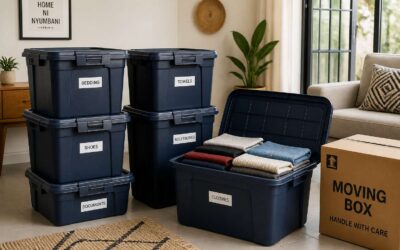
Anyone who has stared into a garage full of identical plastic storage boxes viking knows the frustration. The container you need is always the one you cannot find. To solve this, every box needs a visible identity. A simple label on the front, facing outward, saves hours of searching.
For a labeling system that holds up, I rely on three methods:
- Permanent marker on masking tape, cheap and removable.
- Adhesive label holders that allow paper swaps.
- Color coded lids for broad categories like tools or textiles.
Beyond labels, inventory tracking turns disorder into something manageable. Keep a handwritten list on the wall, or use a spreadsheet on your phone. Each time you remove an item, note the box number. This habit prevents duplicate purchases and tells you exactly which plastic storage boxes viking hold your winter gear.
Color Coding Strategies
A single colour can save twenty minutes of rummaging. That is the logic behind colour coding plastic storage boxes viking. The system bypasses reading entirely. Your brain registers hue before text, so a glance tells you which category sits where. Search time drops to zero.
My garage runs on a fixed palette. Blue means tools. Green means camping gear. Red means seasonal decorations. Clear bins get a strip of coloured tape on the front edge so the code works even on transparent containers.
The code must stay rigid. Once a colour is assigned, shifting it destroys the logic. The moment you paint a yellow box for textiles, your colour code loses all meaning.
The method succeeds because it removes decisions. You do not open lids, you read colours. A wall of identical plastic storage boxes viking becomes a visual index. Fixed shelf positions give every category a permanent location.
Maximizing Shelf and Rack Space
A label tells you nothing if the box itself is a black hole. The pairing of a consistent hue with a clear, printed tag creates a system that works in two steps. The color draws the eye, the text confirms the contents. For plastic storage boxes viking, the label must sit on the same plane on every unit. This uniform placement makes scanning a wall of storage a linear task, not a search.
The label itself needs specifics, not vague categories. Write “12V Drill Bits” instead of “Tools.” This level of detail removes the need to open the lid for a visual check.
– List the contents on the label in order of frequency of use.
– Use a label maker or printed tags; handwriting is never legible enough.
– Apply labels to the side, not the lid, so stacked boxes remain identifiable.
Vertical space is the only free real estate left in most garages. Racks that accommodate the width of the viking containers allow for a second and third tier of storage. This configuration turns a single footprint into a three dimensional block of organization. The system works only if the weight distribution is even, so keep the heaviest bins on the bottom shelf. The result is a storage wall that holds more, while the labels and colors do the cognitive work for you. Space becomes a direct function of discipline.
Seasonal Rotation Schedules
A garage full of viking containers is only half a system. The other half is knowing when to swap the contents. For plastic storage boxes viking, the label should include the season, not just the item. Write “Summer Camping” instead of “Camping Gear” to trigger a timely exchange.
The rotation schedule depends on your climate. In South Africa, reverse the Northern Hemisphere routine.
- Pull summer gear in late September.
- Release winter gear by mid April.
- Audit each box during the swap.
This rhythm keeps the heaviest bins accessible and the seldom used ones on the top shelf. A consistent schedule turns an overwhelming pile into a manageable cycle.
Tips for Long-Term Preservation
Ensuring a plastic storage boxes viking system remains functional requires more than just disciplined stack placement. The labeling methodology transforms a repository into a reference index. I find that a label dictating only the broad contents invites chaos. A precise description must specify the exact gear, the last audit date, and the destination within the home. For instance, a label noting the quantity of specific tools prevents the frustration of opening several bins to locate a missing item.
A robust label creates a contract with your future self.
– Inventory summary with model numbers or sizes.
– Location code for the primary storage zone.
– Condition notes to verify structural integrity.
This protocol reduces physical handling and preserves the integrity of the boxes. A comprehensive label is an anchor. It keeps the transient nature of household items in order, allowing the viking boxes to serve their core function of protection without requiring a mental inventory every time the lid opens. The system respects your time and the stored goods.
0 Comments